
Luxury Insights A Guide to High End Trends and Market Perspectives

Luxury no longer means simply owning the rarest object in the room. The market has become more thoughtful, more selective, and far more personal. Buyers still value beauty, status, and craft, but they now ask sharper questions about privacy, legacy, service, usability, and long-term value.
The modern luxury world covers far more than jewellery, fashion, watches, cars, and homes. It includes wellness retreats, private aviation, concierge healthcare, art advisory, fine dining, collectible design, and residences that feel like private resorts. Across these categories, one pattern stands out: people are paying for confidence as much as they are paying for prestige.
That confidence may come from a trusted developer, a heritage maison, a scarce asset, or an experience that cannot be easily copied. This guide looks at the high-end trends shaping demand and the market perspectives that matter for buyers, collectors, investors, and luxury businesses.
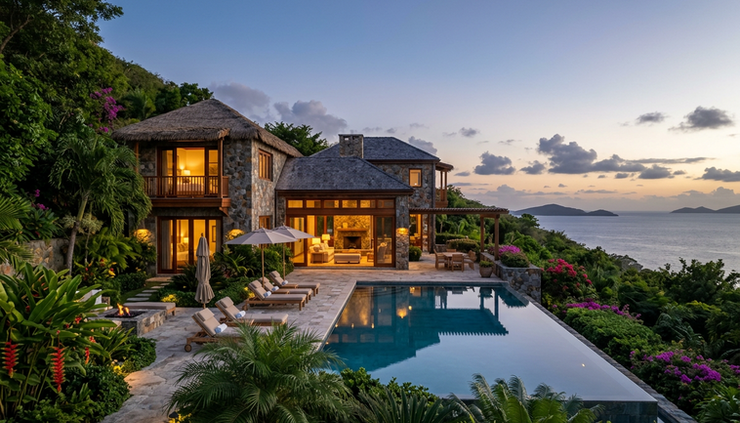
The meaning of luxury is becoming more personal
For years, luxury was easy to recognise. It had famous labels, visible logos, grand hotel lobbies, chauffeur-driven cars, and rare materials. Those signals still matter, but they no longer tell the whole story.
Today, many high-net-worth buyers want luxury that fits their private life rather than their public image. A quiet coastal home, a custom wellness programme, a handcrafted watch with a subtle dial, or a members-only travel experience can feel more valuable than something designed to be noticed.
This shift has made personal relevance a central part of luxury. The question is less, “Is this expensive?” and more, “Does this match the way I want to live?”
That change shows up in several ways:
Homes are judged by light, silence, security, air quality, and service access, not only by address.
Jewellery and watches are chosen for story, rarity, and wearability, not only brand recognition.
Travel is planned around access, privacy, food, wellness, and cultural depth.
Hospitality brands are adding residences, clubs, and retreats to build longer relationships with clients.
In India, this is clear in the growth of premium second homes, luxury wellness stays, fine jewellery buyers who research provenance, and younger entrepreneurs who favour understated quality over loud display. They may still enjoy statement purchases, but they also value products and services that feel made for them.
Quiet luxury is not a trend to dismiss
The phrase “quiet luxury” has been used so often that it can sound like a passing style. The larger movement behind it is more durable.
Quiet luxury is about material, cut, finish, setting, and service. It rewards people who know what they are looking at. A perfectly finished leather bag without a large logo, a hand-knotted rug, an architect-designed villa, or a rare single-owner watch all share this idea. The value sits in detail, not noise.
This does not mean visible luxury is disappearing. Logo-led products, statement cars, and bold fashion still have buyers. What has changed is the balance. Many affluent consumers now move between both worlds. They may choose a recognisable piece for events and a discreet one for daily life.
For brands and sellers, the message is clear: craft must hold up under inspection. Buyers compare materials, after-sales service, resale value, and peer recommendations. A high price alone is not enough.
What quiet luxury buyers look for
Quiet luxury clients often focus on signals that are easy to miss at first glance:
Fine natural materials that age well
Limited availability without forced scarcity
Skilled handwork and precise finishing
Strong after-sales care
Clear provenance and documentation
Timeless design rather than seasonal novelty
This trend has a strong impact on real estate too. A luxury home does not need to shout. It needs good planning, sound insulation, quality fittings, service areas that actually work, and a sense of calm the moment someone enters.
Luxury real estate is being shaped by lifestyle value
High-end property has always been linked to location, but the definition of a prime location is widening. City-centre addresses still command attention, yet buyers are also looking at low-density neighbourhoods, resort-style communities, hill destinations, coastal towns, and branded residences.
The most desirable luxury homes now act as complete lifestyle platforms. They offer not only living space but also wellness, work flexibility, entertainment, security, and privacy.
A high-end buyer may ask:
Can the property support long stays, not just weekend use?
Is there enough privacy from neighbours and public roads?
Does the design allow natural light without heat gain?
Are staff and service areas planned properly?
Is there space for wellness, hobbies, and family gatherings?
Will the address remain desirable over the next decade?
In India, luxury buyers often look at both emotional and practical value. A home may need to serve several generations, host festivals, support remote work, and act as a retreat from dense urban life. That makes planning more important than sheer size.
Branded residences are gaining interest
Branded residences have become a familiar part of the luxury property market. These homes are tied to hospitality, fashion, design, or lifestyle brands. Buyers are drawn to them because they promise service standards, managed amenities, and a clearer sense of identity.
The appeal is strongest when the brand genuinely improves the living experience. A name on the entrance is not enough. The residence must offer strong maintenance, trained service, thoughtful design, and reliable governance. Without that, the premium can feel thin.
For investors, branded residences can offer easier positioning, especially in markets where buyers trust established names. The risk is overpaying for the label without checking build quality, location strength, and long-term upkeep costs.
Experiences are becoming the new luxury asset
Luxury spending is moving beyond ownership into access. This does not mean products are losing value. It means rare experiences now compete directly with luxury goods.
A private chef’s table, a wildlife journey led by a respected naturalist, a wellness retreat designed around medical diagnostics, or a private viewing with an art expert can carry as much status as a physical purchase. These experiences create stories, memories, and social capital.
This is especially important for younger luxury consumers. They may buy watches, bags, jewellery, and cars, but they also spend on travel, cultural access, fitness, spiritual retreats, and self-development. For many, the best luxury purchase is one that improves how life feels.
The strongest luxury experiences share a few traits:
They feel rare
They are well hosted
They respect privacy
They offer depth
Access is limited, personal, or difficult to recreate.
Service feels intuitive rather than scripted.
Guests can relax without being watched or interrupted.
Food, culture, nature, wellness, or craft is presented with real knowledge.
Luxury brands that understand this are building ecosystems. A hotel brand becomes a residence brand. A fashion house enters interiors. A jewellery brand offers private client experiences. A real estate developer curates wellness, dining, and concierge services. The product becomes one part of a wider way of living.

Sustainability is moving from claim to expectation
Luxury has a complicated relationship with sustainability. Some products are resource-intensive by nature. Yet high-end buyers are asking more questions about origin, durability, ethics, and environmental impact.
The most credible luxury sustainability story is not built on slogans. It comes from products that last, materials sourced with care, repair services, responsible packaging, and transparency about supply chains. A well-made item that can be maintained for decades often feels more responsible than something trendy and short-lived.
In real estate, sustainability has become practical. Better insulation, efficient cooling, water management, natural ventilation, solar integration, native landscaping, and durable materials all improve comfort and reduce waste. These features also protect long-term value, especially in warm climates.
Luxury buyers are not always looking for the cheapest running cost. They want comfort without guilt, and efficiency without compromise. A villa that stays cool, uses water wisely, and blends with its site feels more sophisticated than one that only looks impressive in photographs.
The rise of conscious provenance
Provenance matters across categories. For jewellery, it can mean responsible sourcing and clear certification. For art, it means ownership history and authenticity. For property, it may involve clean titles, trusted developers, and approvals. For fashion, it can include material origin and craft process.
The higher the value, the more important the paper trail becomes. Documentation gives buyers confidence. It also supports resale and inheritance planning.
Technology is useful when it disappears into the service
Luxury clients expect modern technology, but they rarely want technology to dominate the experience. The best systems feel almost invisible.
In homes, that may mean lighting, climate, music, curtains, surveillance, and access control working smoothly from one interface. In hospitality, it may mean preferences remembered without repeated questions. In retail, it may mean private previews, secure payment, and after-sales updates handled with care.
Technology should make luxury feel easier, not colder. A smart home that needs constant troubleshooting is not luxurious. A hotel app that replaces human warmth can weaken the experience. The right balance is simple: use technology to remove friction, then let people deliver the emotion.
This matters in the market as well. Digital research has made buyers more informed. Many compare listings, auction results, product reviews, and resale platforms before making a high-value purchase. The sales conversation now begins later, after the buyer has already formed an opinion.
That means sellers need accuracy. Overstatement damages trust quickly. Strong visuals help, but they must match reality. Detailed specifications, transparent costs, and clear service terms carry more weight than vague promises.
Market perspectives for buyers and investors
Luxury markets do not move like mass markets. Supply is limited, values depend on reputation and rarity, and demand is shaped by confidence. A scarce property in a strong location, a watch with collector demand, or a signed artwork can behave very differently from a standard purchase.
Still, luxury is not risk-free. Taste changes. Maintenance costs rise. Some branded products lose value quickly after purchase. Some properties look attractive but face legal, access, or upkeep issues.
A sound luxury decision needs both emotional conviction and patient due diligence.
Look beyond the purchase price
The true cost of luxury includes ownership. For homes, that means maintenance, staffing, society charges, taxes, insurance, repairs, and periodic upgrades. For cars, it includes service, storage, insurance, and depreciation. For watches, jewellery, art, and collectibles, it includes authentication, storage, security, and insurance.
A ₹5 crore purchase and a ₹20 crore purchase are not just different at the point of sale. They create different long-term responsibilities. Buyers should understand these before committing.
Separate rarity from marketing
Scarcity is one of the strongest drivers of luxury value, but not all scarcity is equal. A genuinely rare item has limited supply and real demand. A product described as “limited” may still have weak resale interest.
The stronger forms of rarity include:
Unrepeatable locations
Proven heritage
Exceptional craftsmanship
Small production numbers with active demand
Strong condition and documentation
Association with a respected creator, architect, artist, or brand
Luxury markets reward patience. The best opportunities are not always the loudest ones.
Think in time frames
Some luxury purchases are lifestyle choices. Others are investment-linked. Many sit somewhere in between. A family holiday home may not be bought only for returns, but resale still matters. A watch may be bought for pleasure, but market depth still matters.
Before buying, define the time frame. Is the asset meant for daily use, collection, rental income, legacy, or eventual resale? The answer changes how it should be evaluated.
What luxury brands must get right now
The luxury customer has become harder to impress and easier to lose. A refined product can be weakened by poor service. A beautiful property can suffer from weak maintenance. A premium experience can feel ordinary if it is not personal.
Brands that want to stay relevant need discipline in five areas.
Consistency
Every touchpoint must feel aligned, from enquiry to after-sales support. Luxury fails when the promise is high and the delivery is uneven.
Knowledge
Clients expect expertise. Sales teams should understand materials, process, history, service terms, and market context.
Discretion
Privacy is part of the product. High-value clients do not want careless communication, public exposure, or pushy follow-ups.
Speed with care
Luxury service should be responsive, but not rushed. The best service feels calm, accurate, and one step ahead.
Long-term relationship building
Repeat clients are built through trust. Good brands remember preferences, solve problems gracefully, and keep supporting the client after payment.
These qualities matter across luxury categories. Whether someone is buying a penthouse, commissioning jewellery, booking a private island stay, or selecting art, the emotional foundation is the same. They want to feel understood.
The outlook for high-end demand
The luxury market will keep evolving, but its core drivers remain stable. Wealth creation, global mobility, urban density, lifestyle aspiration, and the desire for security all support high-end demand. At the same time, buyers are more informed and selective than before.
The strongest growth is likely to sit where luxury feels meaningful rather than merely expensive. That includes:
Homes that improve everyday living
Brands with proven craft and service
Experiences with rare access and real depth
Assets with clear provenance
Wellness-led design and travel
Quiet, private, well-managed environments
The future of luxury will not be defined only by bigger spaces, higher prices, or more visible status. It will be defined by how well a product or experience fits a life that is already full, demanding, and highly personal.
For anyone studying the high-end market, the key is to read beyond surface signals. A glossy finish can attract attention, but lasting value comes from scarcity, service, trust, design, documentation, and emotional relevance. Those are the Luxury Insights A Guide to High End Trends and Market Perspectives should leave at the centre of every decision.
The best luxury choices feel effortless at first, then prove their worth over time. That is the standard buyers are now setting, and the market is adjusting to meet it.


Comments